
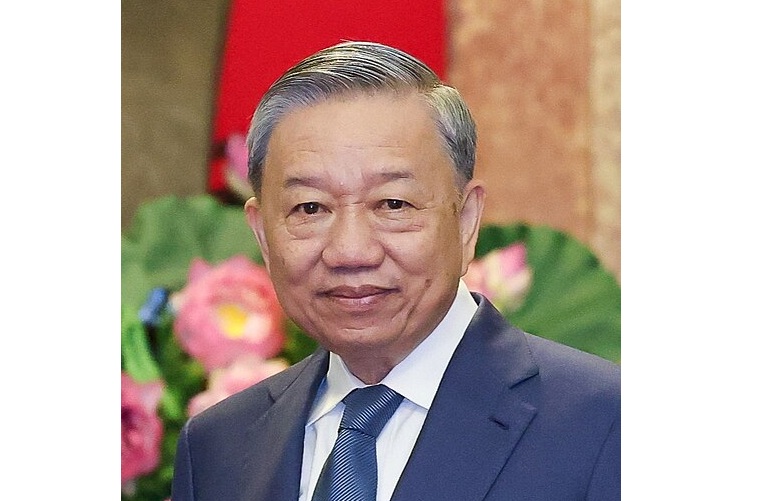
In an effort to drive significant progress in Vietnam’s institutional and legal frameworks by 2026, Tô Lâm has called on government bodies to focus on achieving concrete outcomes rather than mere symbolic gestures. At the inaugural meeting of the Central Steering Committee for Institutional Perfection and Law Enforcement in Hanoi, Tô Lâm underscored the importance of producing tangible results, such as finalized legal documents and simplified administrative processes, while ensuring that leaders are held accountable. The meeting included key figures like Lê Minh Hưng and Trần Thanh Mẫn.
Tô Lâm urged ministries and agencies to swiftly act on the committee’s resolutions, setting up monitoring systems and providing regular updates on their progress, as well as highlighting any delays or issues that may require intervention from higher authorities. During the meeting, the committee focused on several priority areas, including bolstering the state economy, enhancing foreign investment conditions, streamlining administrative processes, tackling urban air pollution, and amending the criminal procedure framework.
To foster foreign investment, the committee advocated for competitive policies that promote technology transfer, research and development, workforce training, and the transition towards a greener and more digitally innovative economy. Additionally, the committee stressed the need for better oversight of strategic investors and improved regional cooperation in attracting foreign capital. Addressing urban air quality, officials proposed a shift towards outcome-based management, supported by advanced environmental monitoring systems, early-warning mechanisms, and clearer accountability for pollution sources.
The committee also highlighted the importance of making administrative reform a continuous obligation rather than a temporary initiative, emphasizing the need for post-inspection oversight and risk-based governance to replace burdensome pre-approval processes. In terms of judicial reforms, officials are considering updates to the Criminal Procedure Code to strike a balance between effective crime prevention, fairness, asset recovery, and support for socio-economic development.