
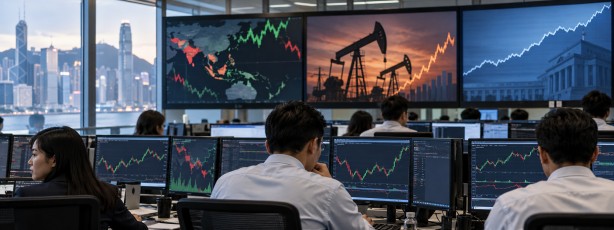
Asian markets displayed mixed reactions on Friday as investors grappled with fluctuating oil prices, surging bond yields, and ongoing geopolitical tensions. The region’s economic landscape was shaped by a combination of rising energy costs and the highest bond yields in several years, which together weighed heavily on market sentiment.
Oil prices, a significant concern for investors, saw a minor dip during Friday’s trading session. Brent crude fell by approximately 0.7%, following a notable increase of over 3% the previous day. This volatility in oil prices has heightened worries about energy supply stability and inflationary pressures globally.
Meanwhile, bond markets drew significant attention as yields reached multi-year highs. The yield on the U.S. 10-year Treasury hit its highest level since 2007, and the 30-year yield rose to heights not seen since 2004. Similarly, Japan’s 10-year government bond yield achieved a new 30-year peak, reflecting a broader trend of rising borrowing costs.
Despite these challenges, Japan’s Nikkei 225 index managed a gain of 1.2%, contrasting with Hong Kong’s Hang Seng Index, which experienced a decline of 1.8%. Markets in Shanghai, Seoul, and Taipei remained closed due to holidays, limiting broader regional trading activity.
Investor anxiety was further fueled by developments in the US-China trade negotiations. While Washington and Beijing agreed to prolong their trade truce by two months, unresolved issues such as tariffs, agricultural purchases, and technology restrictions continue to loom over the relationship.
In addition to these economic factors, renewed geopolitical tensions in the Middle East have exacerbated concerns regarding the global oil market. The instability in the region threatens to tighten oil supplies further, potentially impacting inflation and economic growth worldwide.