
Vietnam is setting its sights on becoming a more formidable player in the regional and global economic arenas, as demonstrated by ambitious goals outlined in recent Politburo resolutions. The country is moving beyond simply having a large number of enterprises; it now seeks to develop corporations that can compete on a regional level and gradually enter the global stage. Resolution No. 68-NQ/TW, issued by the Politburo in May of last year, aims to increase the number of active enterprises to 2 million by 2030, with at least 20 of these large corporations participating in global value chains. Meanwhile, Resolution No. 79-NQ/TW, released this January, focuses on state-owned enterprises, aiming for 50 to be among Southeast Asia’s top 500 companies and between one and three to join the world’s top 500 by 2030.
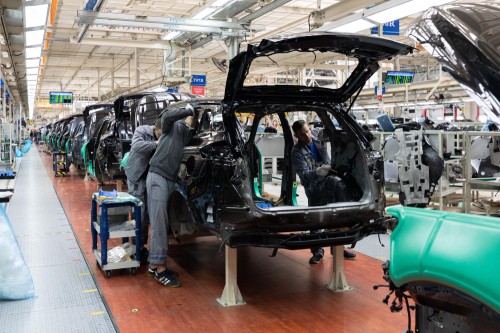
Forty years after the Đổi mới reforms, Vietnam is witnessing the rise of major economic groups across various industries, according to Đậu Anh Tuấn, deputy secretary-general of the Vietnam Chamber of Commerce and Industry. In the manufacturing sector, THACO has established a significant automobile and mechanical engineering ecosystem in Quảng Nam Province, ranking among the largest in Southeast Asia. VinFast, Vietnam’s first electric vehicle manufacturer, stands out for its large-scale factory in Hải Phòng, its listing on the Nasdaq stock exchange, and its vehicle sales in international markets such as North America, Europe, and Southeast Asia. Additionally, Hòa Phát Group has evolved from a small furniture workshop into a leading steel manufacturer in Southeast Asia, producing millions of tonnes of steel annually and competing with international corporations in export markets.
The technology and consumer goods sectors also boast major players. FPT is one of the largest information technology companies in the region, offering digital transformation services to multinational corporations across numerous countries. Vinamilk, a significant name in consumer goods, has built a dairy brand present in over 50 countries, with farms and factories that meet international standards. Masan Group has developed a comprehensive consumer ecosystem that includes food, beverages, and retail, serving millions of consumers daily. In infrastructure and real estate, Vingroup has undertaken projects on an unprecedented scale, ranging from urban developments to hospitals and schools, while also venturing into electric vehicle production. Sun Group, BRG Group, and other corporations have invested heavily in tourism infrastructure, contributing to the economic transformation of various regions.
Despite having nearly 1.1 million active enterprises by the end of last year, Vietnam’s business sector is still lacking in depth and capacity, according to Đậu Anh Tuấn. Economist Trần Đình Thiên emphasized the need for Vietnam to support enterprises capable of leading the economy and competing globally. He argued that past broad-based support often resulted in the growth of small enterprises, which made it challenging for larger corporations to emerge. In the future, policies should focus on targeted support for businesses that can lead and create ripple effects across production chains. This approach is crucial for mastering technology, selecting priority industries, and making calculated development decisions.
Learning from international examples, such as Japan’s strategic industry investments and South Korea’s development of conglomerates like Samsung and Hyundai, offers valuable lessons for Vietnam. China, through its market scale and strong policies, has developed significant industrial clusters. With Resolutions 68 and 79 laying the groundwork, Vietnam has the opportunity to build economic groups with regional stature, gradually asserting their presence in global industrial value chains. The challenge now lies in effectively implementing these policies and consistently pursuing strategic development paths. If successful, Vietnam could see significant economic gains in the coming decade, aligning with its aspirations to rise strongly on the international stage.