
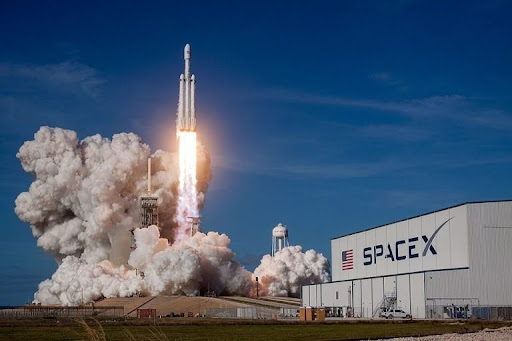
SpaceX has taken a significant leap into the public market, executing one of the most monumental initial public offerings in history. Trading commenced with shares priced at $150 each, and the value surged rapidly, catapulting the company’s total valuation to over $2 trillion by the session’s close. This remarkable rise in value has notably impacted Elon Musk, the CEO and primary shareholder, by vaulting his net worth beyond the $1 trillion mark, making him the world’s first trillionaire.
Investor enthusiasm was palpable as SpaceX’s shares climbed steeply during its market debut, driven by strong interest in the company’s ventures into space exploration and satellite internet services. The leadership at SpaceX emphasized their long-term objectives of enhancing space travel capabilities and fostering human life beyond Earth. Uniquely, the company decided on a fixed initial share price for its IPO, diverging from the customary approach of offering a price range. This strategy, combined with substantial investor interest, contributed to the swift escalation in the company’s market valuation.
Despite the triumphant start on the stock exchange, SpaceX continues to operate at a loss. Recent financial reports have revealed significant operating losses, despite revenue growth. Analysts suggest that the company’s substantial investments in aerospace infrastructure and expansive satellite networks are central to its current financial state.
The unprecedented valuation of SpaceX has sparked discussions about market concentration and potential risks. Given the company’s colossal scale and Musk’s considerable voting power, these conversations have gained traction. While SpaceX’s entry into the public market has been met with enthusiasm, questions remain regarding the sustainability of its financial model in the face of ongoing investments and expansions.