
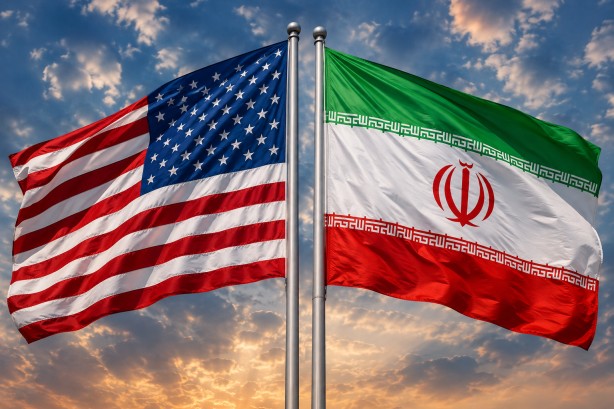
The fragile calm between the United States and Iran has been shattered following the fiercest military exchanges since the two nations agreed to a temporary ceasefire last month. The U.S. has launched a significant airstrike campaign, targeting approximately 80 sites associated with Iran’s military infrastructure, citing the need to mitigate threats to navigation freedom within the crucial Strait of Hormuz. This military action was in direct response to Iran’s offensive on three commercial vessels navigating the same strategic passage.
In retaliation, Iran has unleashed missiles and drones aimed at U.S. military bases located in Bahrain and Kuwait. Adding to the tension, Tehran has unveiled a new military strategy, declaring that it will consider the United States and its regional partners as equal adversaries in any forthcoming conflicts. President Donald Trump has issued a stern warning, indicating that the U.S. is ready to conduct further military operations if Iran persists with its aggressive actions. Despite this, he expressed optimism that the situation would not escalate into a prolonged war.
The recent bout of violence puts the ceasefire agreement under significant pressure. This truce was initially established to pave the way for discussions concerning Iran’s nuclear ambitions, potential sanctions relief, and longer-term security measures in the Strait of Hormuz. However, the agreement’s future seems uncertain amid the renewed hostilities.
At the core of the dispute is Iran’s assertion of its right to oversee shipping through the Strait of Hormuz. In contrast, the United States argues that Iran’s recent attacks on commercial vessels constitute a breach of international maritime security, thereby justifying its military response.
The escalating conflict has had immediate global repercussions, notably driving up oil prices as fears mount over possible disruptions to one of the world’s most vital energy shipping lanes. The unfolding situation underscores the volatile nature of the region and the far-reaching impact of such geopolitical tensions.