
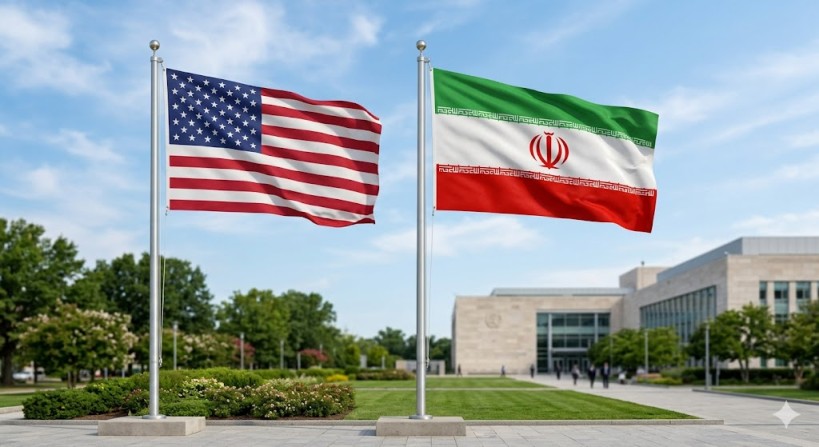
Efforts to extend a ceasefire agreement and de-escalate tensions in the Middle East have made little headway this week, as negotiations between the United States and Iran remain largely stagnant. While US President Donald Trump has indicated that talks with Iran are nearing their conclusion, Iranian Foreign Minister Abbas Araghchi has noted the absence of any major breakthroughs. Despite this, indirect communication between the two nations is reportedly ongoing through various mediators.
One of the primary hurdles in these discussions is Iran’s insistence on achieving a ceasefire in Lebanon before committing to a wider agreement with the United States. The proposed deal aims not only to prolong the existing truce but also to reopen the Strait of Hormuz, a crucial maritime passage. The strait’s strategic importance is underscored by its role as a vital conduit for global oil shipments, with any disruption potentially impacting energy supplies and prices around the world.
In Lebanon, the situation remains tense as hostilities between Israel and Hezbollah, an Iranian-backed group, continue unabated. Hezbollah has dismissed a US-supported ceasefire proposal, and exchanges of fire with Israeli forces have persisted in the country’s southern regions. This ongoing conflict further complicates the diplomatic efforts to forge a comprehensive peace agreement.
As regional and international parties strive to avert a further escalation, they continue to engage in diplomatic efforts aimed at reaching a broader understanding that could bring stability to the region. Observers, including market investors, are keeping a close watch on developments, particularly concerning the Strait of Hormuz, given its significance to global energy markets.