
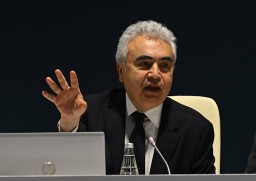
The Iran energy crisis has created the most difficult environment for global economic growth since the stagflationary decade of the 1970s, the head of the International Energy Agency has warned. Fatih Birol, speaking in Canberra, said the combination of massive energy supply losses, infrastructure damage, transit disruption, and secondary supply chain consequences had created economic headwinds of extraordinary severity. He described the overall crisis as equivalent to the combined force of the 1970s twin oil shocks and the Ukraine gas emergency — and potentially more damaging in terms of economic impact.
Birol said the 1970s energy crises had produced a decade of low growth, high inflation, and repeated recessions across major economies. The current crisis was larger in supply shock terms than either of those episodes, and it was hitting a global economy that had already been struggling with post-COVID inflation and supply chain normalization. The combination of these factors created a uniquely challenging economic environment that required both emergency energy measures and broader economic policy responses.
The conflict began February 28 with US and Israeli strikes on Iran and has since removed 11 million barrels of oil per day and 140 billion cubic metres of gas from world markets. At least 40 Gulf energy assets have been severely damaged, and the Hormuz strait — through which approximately 20 percent of global oil flows — remains closed. The IEA deployed 400 million barrels from strategic reserves on March 11 in its largest emergency action.
Birol confirmed further releases were under consideration and said consultations with governments across three continents were ongoing. He called for demand-side policies including remote work, lower speed limits, and reduced commercial aviation. He met with Australian Prime Minister Anthony Albanese and said Australia’s strong economic foundations provided some resilience but could not insulate it from the global economic consequences of the crisis.
Trump’s 48-hour ultimatum to Iran to reopen the strait expired without result, and Tehran threatened retaliatory strikes on US and allied energy and water infrastructure. Birol concluded by calling on governments to coordinate both their energy and economic policy responses with maximum urgency. He said the world had the capacity to prevent the worst economic outcomes if it acted collectively, decisively, and without further delay.