
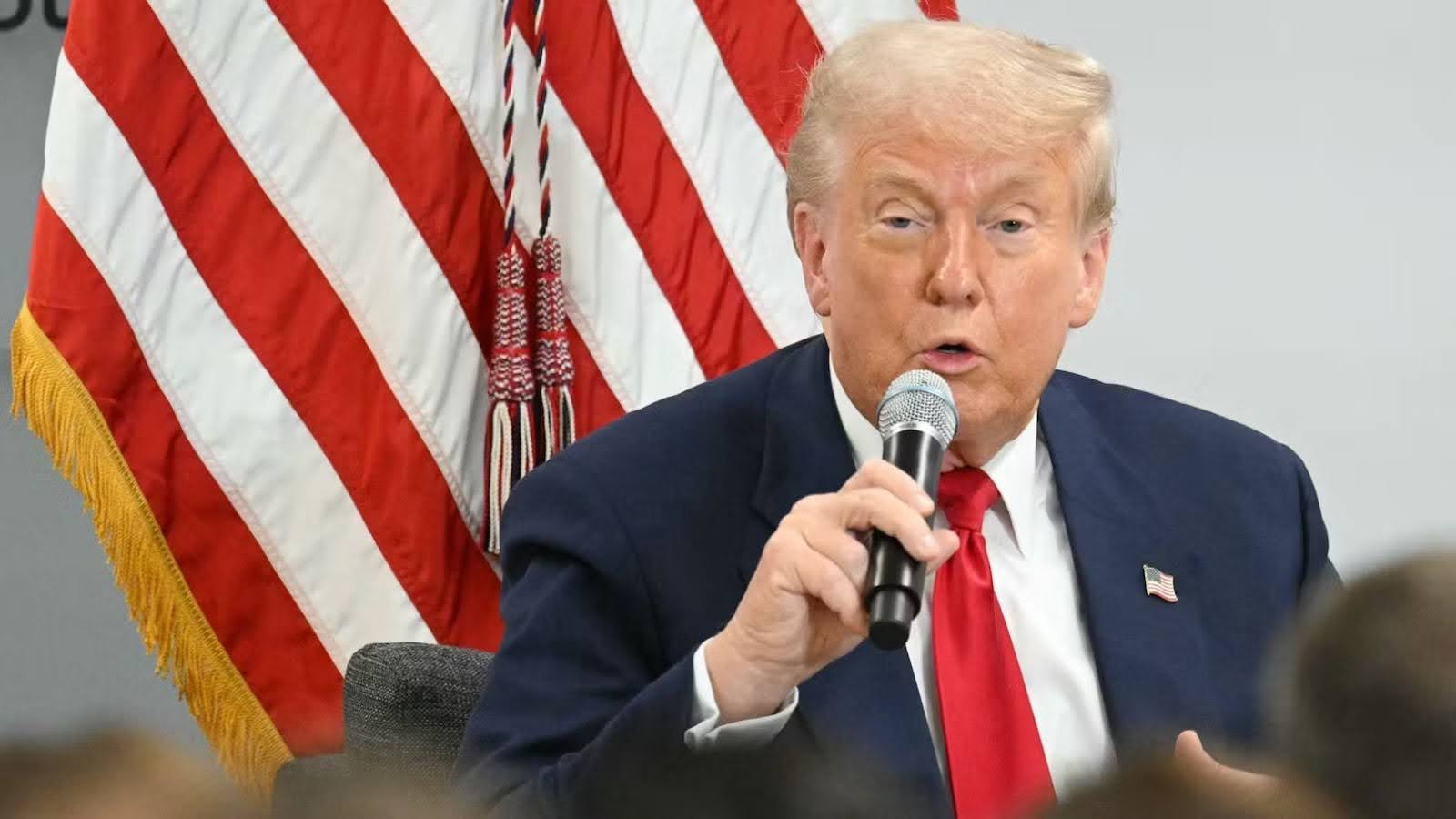
Corporate America faced a dramatic new landscape Friday as President Trump’s tariff announcements created immediate pressure for fundamental business model changes across multiple industries. The 50% EU tariff rate, combined with technology sector penalties, forces executives to confront costly decisions about supply chains, manufacturing locations, and pricing strategies that many had hoped to avoid through continued negotiations.
Companies with European suppliers or Asian manufacturing operations now face urgent strategic reviews as Trump’s June 1 deadline approaches. Apple’s direct confrontation with presidential pressure over iPhone production illustrates the personal nature of Trump’s corporate engagement, while broader threats against smartphone manufacturers create industry-wide uncertainty. Executives must now weigh the costs of production relocation against accepting significant tariff burdens that could impact competitiveness and profitability.
The president’s explicit statement that he’s “not looking for a deal” eliminates the possibility that corporate lobbying or industry negotiations might provide relief from the new tariff structure. This reality forces immediate planning for scenarios that many business leaders had considered unlikely, with companies needing to evaluate domestic manufacturing options, alternative supply sources, or acceptance of higher operational costs. The administration’s preference for announced rates over negotiated solutions creates a business environment where compliance becomes more important than advocacy.